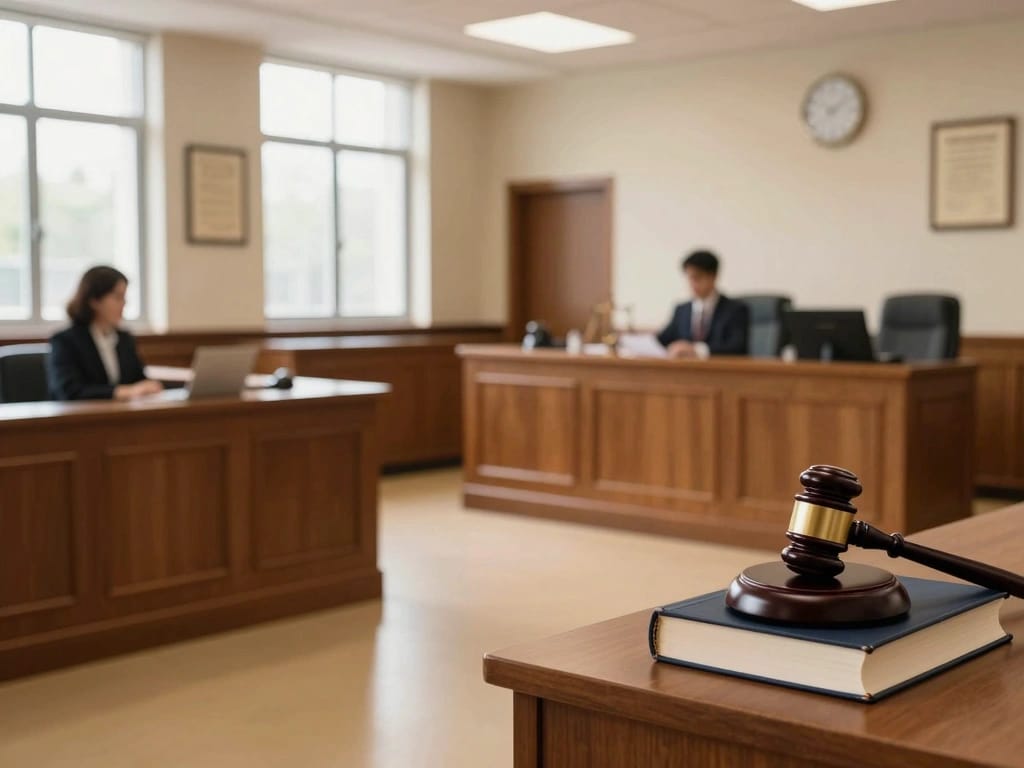
Introduction to Small Claims Court Venue Rules
Definition of Small Claims Court
Small claims court is a specialized judicial forum designed to resolve disputes involving relatively small amounts of money, typically ranging from a few hundred to several thousand dollars, depending on the jurisdiction. It serves as a more accessible and less formal alternative to traditional court proceedings, allowing individuals to represent themselves without the need for an attorney. Small claims courts handle a variety of cases, including disputes over contracts, property damage, unpaid debts, and consumer issues.
Importance of Venue in Small Claims Cases
The concept of venue refers to the appropriate geographical location where a case can be heard. In small claims court, the correct venue is crucial because it ensures that the case is heard in a location that is convenient for both parties and relevant to the dispute. Proper venue selection can significantly impact the outcome of a case and the ease with which the parties can attend court proceedings. Understanding venue rules is essential for plaintiffs and defendants to avoid unnecessary delays and complications.
Overview of Venue Rules
Venue rules dictate where a small claims case can be filed and heard. These rules vary by state, but they generally focus on factors such as the residence of the parties involved and the location where the cause of action arose. Properly adhering to these rules is critical for the efficient processing of claims and the fair administration of justice. In the following sections, we will explore how to determine the proper venue for small claims cases, exceptions to standard rules, filing procedures, and state-specific variations.
Determining the Proper Venue for Small Claims
Geographic Considerations
When determining the proper venue for a small claims case, geographic considerations play a significant role. The venue must fall within the jurisdiction of the court that can lawfully hear the case. Typically, this means that the small claims court must be located within the county or district where at least one of the parties resides or where the events leading to the dispute occurred. Geographic restrictions ensure that the case is heard in a location accessible to both parties.
Where the Defendant Resides
One of the primary factors in establishing venue is the residence of the defendant. Most jurisdictions allow plaintiffs to file a small claims case in the county or district where the defendant lives. For example, if a defendant resides in Los Angeles County, a plaintiff can file in any small claims court within that county. This rule provides convenience for the defendant, who may not have the means to travel long distances for a court appearance.
Where the Cause of Action Arose
Another critical factor in venue determination is the location where the cause of action arose. This refers to the place where the events leading to the dispute occurred. For instance, if a plaintiff is suing for unpaid rent for an apartment located in San Francisco, the case should be filed in a small claims court in San Francisco. If the events of the dispute happened in a different jurisdiction, such as a contract dispute where the contract was signed in a specific city, the plaintiff may need to file in that city’s court. This principle ensures that the court hearing the case is familiar with the local laws and circumstances surrounding the dispute.
Exceptions to Standard Venue Rules
Special Circumstances Allowing Venue Changes
While there are standard venue rules, certain special circumstances may allow for a change of venue. For instance, if a plaintiff believes that they cannot receive a fair trial in the current venue due to local bias, they may request a change. This could occur in high-profile cases where public opinion has heavily influenced the local populace. Courts often require substantial evidence to support such requests, as they aim to maintain the integrity of the judicial process.
Impact of Multiple Defendants
When a case involves multiple defendants, venue rules can become more complex. Generally, a plaintiff can file the case in a venue that is proper for at least one of the defendants. For example, if a plaintiff is suing two defendants, one residing in Chicago and the other in Springfield, the plaintiff may choose to file the case in either location. This flexibility helps streamline the process and can reduce the burden on the plaintiff, who may prefer to consolidate claims against multiple parties in a single court.
Consumer Cases and Venue Flexibility
Consumer protection laws often provide additional flexibility regarding venue rules. Many jurisdictions allow consumers to file claims in their home county, especially in disputes involving products or services purchased locally. For example, if a consumer purchases a defective product from a retailer in their hometown but the company is based in another state, the consumer may still file the case in their local small claims court. This provision is designed to protect consumer rights and ensure that individuals have access to justice without undue hardship.
Filing Procedures and Venue Compliance
Steps to File in the Correct Venue
Filing a small claims case in the correct venue involves several important steps:
- Identify the Proper Venue: Determine whether the venue is appropriate based on the defendant's residence or where the cause of action arose.
- Gather Necessary Documentation: Collect all relevant documents, such as contracts, receipts, and correspondence related to the dispute.
- Complete the Required Forms: Fill out the necessary small claims forms, which may vary by jurisdiction. Ensure that all information is accurate and complete.
- File the Claim: Submit the completed forms to the appropriate small claims court. Be prepared to pay a filing fee, which can range from $30 to $150, depending on the amount being claimed and the state.
- Serve the Defendant: After filing, ensure that the defendant is properly served with a copy of the claim and any other required documents, following the local rules for service of process.
Consequences of Improper Venue Filing
Filing a small claims case in an improper venue can lead to significant consequences. The most immediate impact is the potential dismissal of the case. Courts may dismiss cases filed in the wrong venue, forcing the plaintiff to start over in the correct location, which can lead to delays and added expenses. Additionally, if a defendant incurs costs related to an improperly filed claim, they may seek to recover those costs, which could further complicate the plaintiff's situation.
Transferring a Case to the Correct Venue
If a case has been filed in an improper venue, it is often possible to transfer the case to the correct venue. This process typically involves the following steps:
- Motion to Transfer: The defendant or plaintiff may file a motion to transfer the case to the appropriate court. This motion must clearly state the reasons for the transfer and reference the applicable venue rules.
- Hearing: A hearing may be scheduled to review the motion. Both parties will have the opportunity to present their arguments.
- Transfer Order: If the court finds merit in the motion, it will issue an order transferring the case to the correct venue, ensuring that all documentation is moved accordingly.
State-Specific Venue Rules for Small Claims
Variations Across Different States
Small claims court venue rules can vary significantly from state to state. For instance, some states, like California, allow a plaintiff to file a small claims action in the county where the defendant resides or where the contract was executed. In contrast, states like Texas have more rigid rules, often requiring that cases be filed in the county where the incident occurred. Understanding these differences is crucial for anyone considering filing a claim, as improper venue can lead to dismissal and wasted time and resources.
Researching Local Venue Rules
To navigate the complexities of venue rules effectively, it is essential to research local regulations. Most state court systems provide resources online, including detailed guides on small claims court procedures and venue requirements. Additionally, local law libraries or legal aid organizations can offer assistance in understanding specific venue rules applicable to your case. Being proactive in researching these rules can save time and ensure that cases are filed correctly from the outset.
Consulting Legal Resources for Venue Guidance
For those unfamiliar with the legal system or facing particularly complex situations, consulting legal resources or professionals can be invaluable. Organizations such as local bar associations often provide referral services to connect individuals with lawyers who specialize in small claims matters. Additionally, many states have self-help centers that offer guidance on filing small claims actions, including detailed information about venue rules and how to comply with them effectively.